
Key point 1
5.12kWh nominal module capacity
Hanchu low-voltage battery guide
Explore the Hanchu 5.12kWh low-voltage battery, compatible solar and storage routes, product documents and expansion considerations.
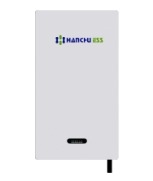
Key point 1
5.12kWh nominal module capacity
Key point 2
For a confirmed compatible low-voltage Hanchu system
Key point 3
Datasheet, user manual and installation guide available
How this product family fits into a system
The Hanchu 5.12kWh low-voltage battery can form part of a compatible Hanchu storage system. It may be considered with a solar and battery installation, a suitable hybrid upgrade or, after compatibility checks, an existing Hanchu low-voltage system.
The right capacity is determined by the home and the whole system, not a single product label. HEG considers household demand, solar generation, intended charging pattern, controller selection and physical installation requirements before confirming a design.
Choose the right customer journey
The pages below explain the service route. HEG confirms the final equipment, compatibility and design through the appropriate survey and proposal process.
Add storage to existing solar
Explore an AC retrofit route where the existing inverter, supply and installation arrangement are suitable.
Explore this route →Upgrade solar and add a battery
Explore a survey-led hybrid inverter and battery route for an existing solar array.
Explore this route →Build a solar and battery system
Explore a new solar system with Hanchu storage as part of one coordinated design.
Explore this route →Expand a compatible battery system
Review individual add-on batteries where the existing system and battery family are confirmed compatible.
Explore this route →Product documents
These HEG-managed files are provided for product support and technical reference. Product configuration, availability and suitability are confirmed in the relevant proposal and manufacturer documentation.
Browse all Hanchu documentsRelated Hanchu guides
FAQs
No. It can be a useful starting point for some homes, but the suitable capacity is confirmed from electricity use, solar opportunity, tariff pattern, installation constraints and the complete system design.